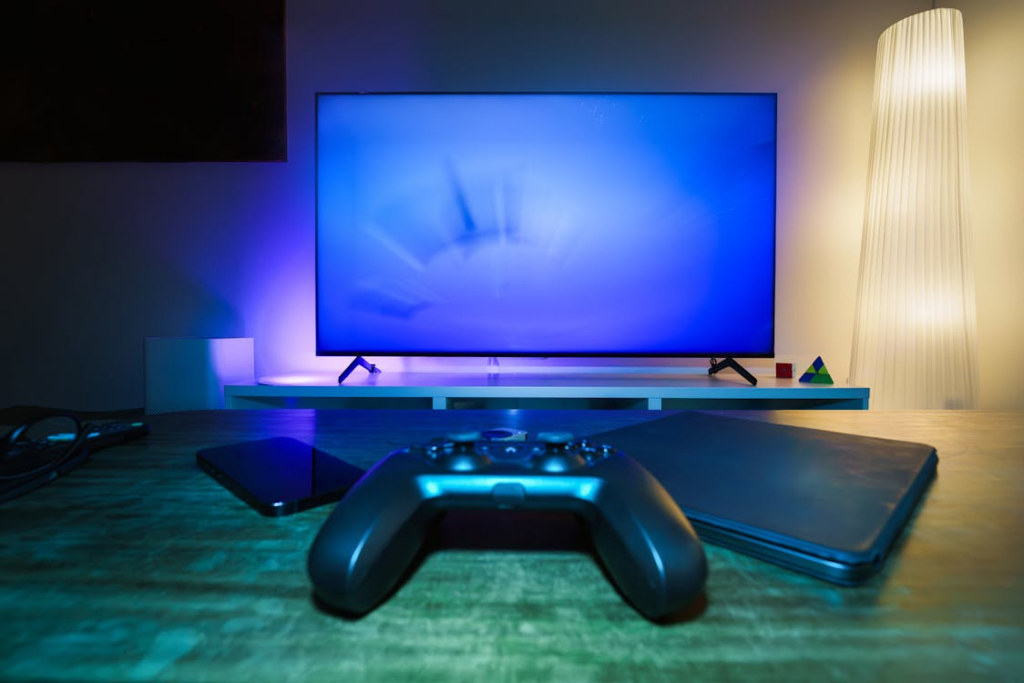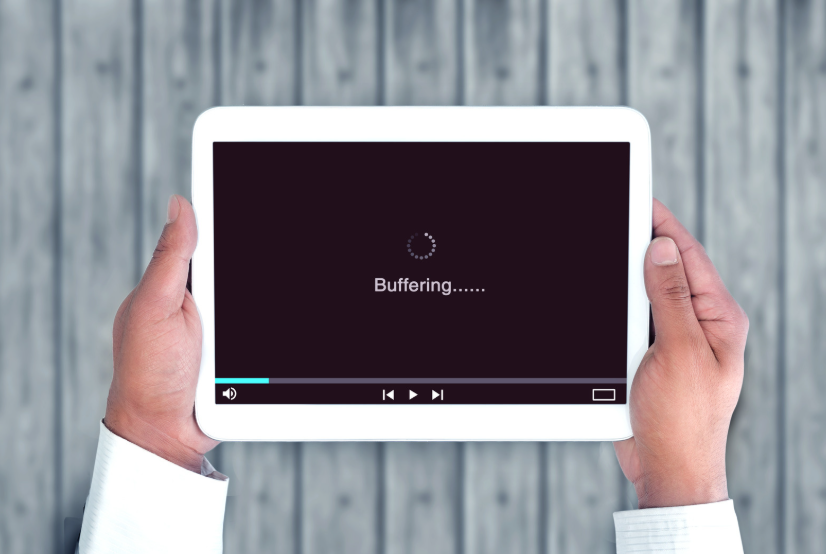
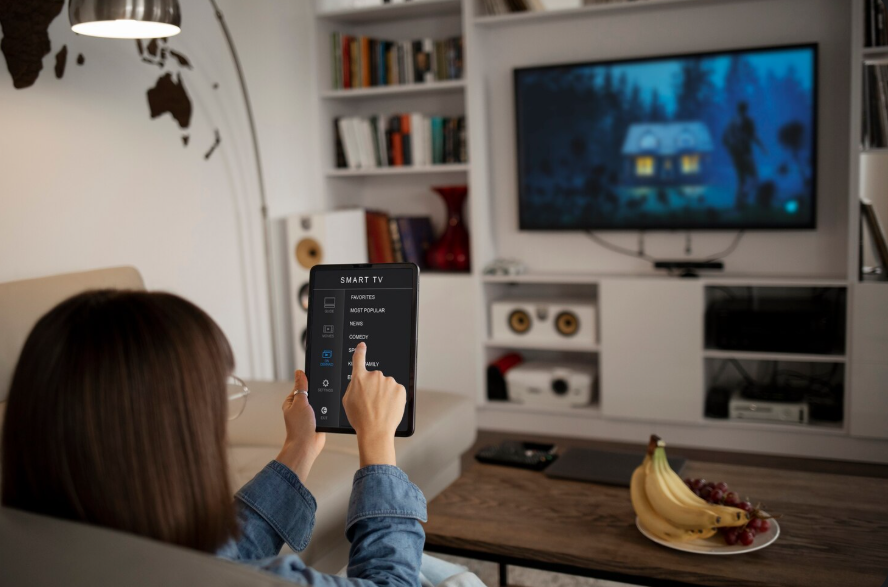
Building the ultimate home streaming setup in 2026 is not about buying the most expensive equipment. It is about creating a system that delivers smooth performance, easy access to content, and a viewing experience that fits your lifestyle.
With the right combination of internet, devices, and services, you can eliminate buffering, simplify your setup, and enjoy everything you watch.
Start With a Strong Internet Foundation
Your internet connection is the backbone of your streaming setup.
A reliable connection with consistent speeds is more important than simply choosing the fastest plan available. For most households, speeds between 100 and 300 Mbps are enough to support multiple streams without buffering.
Fiber internet is ideal when available, as it offers stable performance and low latency. Cable internet can also work well, but speeds may vary during peak hours.
A strong Wi-Fi router is equally important. Choosing a router that provides full-home coverage ensures that every device maintains a stable connection.
See Best Internet Plans for Streaming Without Buffering for stronger plan comparisons.
Choose the Right Streaming Device
Your streaming device determines how you interact with your content.
Platforms like Roku, Amazon Fire TV, and Apple TV all offer access to major apps such as Netflix, Hulu, and Disney+.
External streaming devices often provide better performance and more frequent updates than built-in smart TV systems. This makes them a strong choice for long-term use.
Selecting a device with a fast interface and reliable app support improves the overall experience.
Compare Gaming Consoles vs Streaming Devices: Which Is Better for Media? before choosing hardware.
Optimize Your Display and Audio
Your TV and audio setup play a major role in how immersive your streaming experience feels.
A 4K TV with good color and contrast enhances picture quality, especially for movies and high-resolution content. While premium models offer the best performance, many mid-range TVs now deliver excellent results.
Audio is often overlooked. Adding a soundbar or speaker system can significantly improve clarity and depth, making dialogue easier to hear and sound effects more engaging.
Balancing video and audio quality creates a more complete viewing experience.
Explore Best Budget TVs That Still Deliver Great Streaming Quality for affordable display upgrades.
Simplify Your Streaming Services
Having too many subscriptions can make your setup complicated and expensive.
Focus on one or two primary services that match your viewing habits. Add niche or secondary services only when needed, and consider rotating subscriptions to reduce costs.
Bundles can be useful if they replace services you already use, but they should not add unnecessary extras.
A streamlined set of services makes it easier to find content and manage your monthly spending.
Manage Devices and Connectivity
Modern homes often have multiple streaming devices connected at once.
Organizing your network helps maintain performance. Position your router centrally, reduce interference, and ensure devices are updated regularly.
Using wired connections for devices like streaming boxes or gaming consoles can improve stability. While Wi-Fi is convenient, wired connections provide more consistent performance.
Managing how devices connect to your network can prevent slowdowns and buffering.
Check Best Wi-Fi Routers for Streaming and Smart Homes for better network performance.
Future-Proof Your Setup
Technology evolves quickly, so it is important to think ahead.
Choosing devices that support current standards ensures your setup remains compatible with new services and features. This includes support for 4K streaming, modern Wi-Fi standards, and updated app platforms.
Investing in flexible components, such as external streaming devices, allows you to upgrade parts of your system without replacing everything.
A future-proof setup saves money and reduces the need for frequent upgrades.
The Bottom Line on the Ultimate Setup
The ultimate home streaming setup is not about having the most features; it is about having the right ones.
A strong internet connection, a reliable streaming device, and a simplified set of services create a system that works smoothly every day.
Many users are moving toward setups that prioritize ease of use and consistency over complexity. This reflects a broader shift toward making decisions that reduce friction and improve everyday experiences.
When you build your setup around how you actually watch, you create a system that delivers both performance and value.