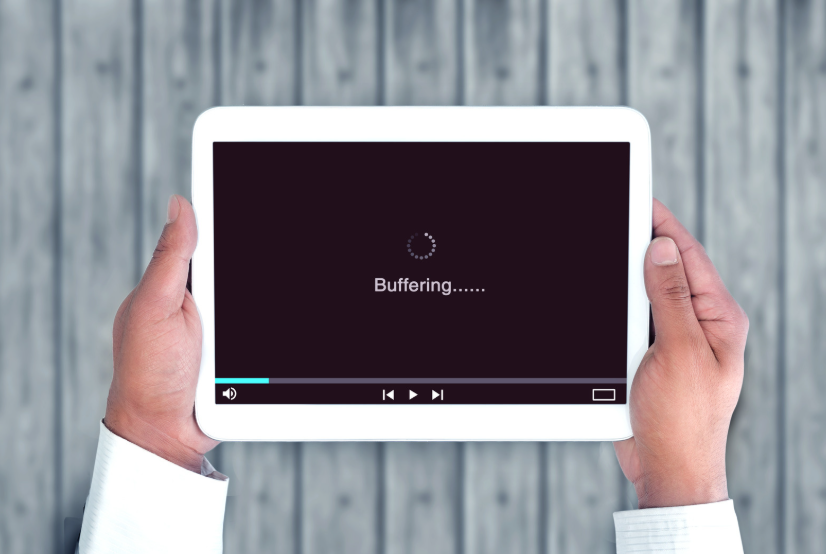

The best internet plans for streaming are not just the fastest available; they deliver consistent speeds, low latency, and reliable performance during peak usage.
Streaming without buffering starts with the right internet plan. In 2026, most households rely on streaming for entertainment, work, and communication, which means your connection needs to handle multiple devices at once.
How Much Speed Do You Actually Need?
Speed requirements depend on how you use your internet.
For a single user streaming in HD, speeds of 25-50 Mbps are usually sufficient. For 4K streaming, speeds of 50-100 Mbps provide a smoother experience.
Households with multiple users need more bandwidth. If several people are streaming, gaming, or working online at the same time, speeds of 200 Mbps or more can help prevent slowdowns.
It is important to consider total usage, not just individual activities. The more devices connected, the more speed you need.
See Best Budget TVs That Still Deliver Great Streaming Quality to match your screen with the right plan.
Fiber vs Cable vs Wireless Internet
The type of internet connection plays a major role in performance.
Fiber internet offers the best overall experience. It provides high speeds, low latency, and consistent performance, even during peak hours. For streaming, fiber is often the top choice when available.
Cable internet is widely available and offers high speeds, but performance can vary with network congestion. In busy areas, speeds may slow during peak times.
Wireless options, including 5G home internet, are improving quickly. They can be a good alternative in areas without fiber or cable, but performance may vary based on signal strength and network conditions.
Choosing the right type of connection is just as important as choosing the right speed.
Compare Best Mobile Hotspot Plans for Streaming on the Go for on-the-go options.
Latency and Stability Matter Too
Speed is only part of the equation. Latency and stability also affect streaming quality.
Low latency ensures that data travels quickly between your device and the server. This is especially important for live streaming and real-time content.
Stability refers to how consistent your connection is. A plan with slightly lower speeds but steady performance is often better than one with high speeds that fluctuate.
Buffering is usually caused by instability rather than a lack of raw speed.
Data Caps and Throttling
Some internet plans include data caps, which limit how much data you can use each month.
Streaming, especially in HD or 4K, uses a significant amount of data. Exceeding a data cap can result in extra charges or reduced speeds.
Unlimited data plans are ideal for households that stream heavily. They remove the need to monitor usage and prevent unexpected slowdowns.
It is important to check whether your plan includes caps and how they are enforced.
Check Cheapest Streaming Setup for Cord Cutters in 2026 to reduce costs beyond your internet bill.
Choosing the Right Plan for Your Household
The best plan depends on your household size and usage patterns.
Single users or light households can often get by with lower-tier plans. Larger households with multiple devices should consider higher speeds and more reliable connections.
It is also helpful to think about future needs. As streaming quality improves and more devices connect to your network, having extra capacity can prevent issues later.
Comparing plans based on real-world performance rather than advertised speeds can lead to better results.
Learn How to Build the Ultimate Home Streaming Setup for a smoother home streaming experience.
The Bottom Line on Buffer-Free Streaming
The best internet plan for streaming is one that delivers consistent performance under real conditions.
Fiber is the top choice when available, followed by cable, then wireless. The right speed depends on how many devices you use and how often you stream.
Many users are moving toward simpler decisions, focusing on plans that meet their needs without overpaying for unnecessary speed. This reflects a broader trend toward reducing complexity and choosing what works.
When you match your internet plan to your actual usage, you can enjoy smooth, buffer-free streaming without overspending.