Cutting the cord no longer guarantees savings. With so many streaming services, it is easy to end up paying as much as, or more than, a traditional cable bill.
The key in 2026 is not just switching to streaming; it is building the cheapest streaming setup that gives you what you actually watch at the lowest possible cost.
Start With What You Actually Watch
The biggest mistake cord-cutters make is subscribing to too many services at once.
Instead of asking what is available, start by asking what you consistently watch. Most people use only a few platforms regularly, even though they have access to many.
If you focus on your core content, you can eliminate unnecessary subscriptions and immediately reduce your monthly costs. This approach keeps your setup simple and avoids paying for services you rarely use.
See Monthly Cost of Streaming: How Much Are You Really Paying? to review your subscription spending.
Build a Minimal Core Setup
A cost-effective setup usually starts with one or two main services.
For on-demand content, platforms like Netflix, Hulu, or Disney+ provide a strong foundation. Choosing just one or two of these can cover most viewing needs.
If you want live TV, consider whether you actually need it. Many users find they can replace live channels with on-demand content and free alternatives.
Free streaming apps are an important part of a cheap setup. These services offer movies, shows, and even live channels with ads, reducing the need for paid subscriptions.
Compare Ad-Supported vs Ad-Free Streaming Plans: Is Paying More Worth It? before choosing paid tiers
Rotate Services to Save Money
One of the most effective strategies is rotating subscriptions.
Instead of paying for multiple services every month, subscribe to one at a time. Watch what you want, then cancel and switch to another service.
This approach lets you access a wide range of content over time while paying for only one or two subscriptions at a time.
It requires a bit of planning, but it can cut your streaming costs significantly without sacrificing variety.
Use Bundles Carefully
Bundles can help reduce costs, but only if they match your viewing habits.
If a bundle includes services you already use, it can lower your total monthly expense. However, if it adds platforms you do not watch, it becomes an unnecessary cost.
Carrier bundles from Verizon, AT&T, and T-Mobile can also add value if they are included in a plan you already have.
The key is to evaluate bundles based on what they replace, not just what they include.
Check Best Streaming Bundles That Actually Save You Money for bundle value comparisons.
Don’t Forget Hardware Costs
Your streaming setup also depends on the device you use.
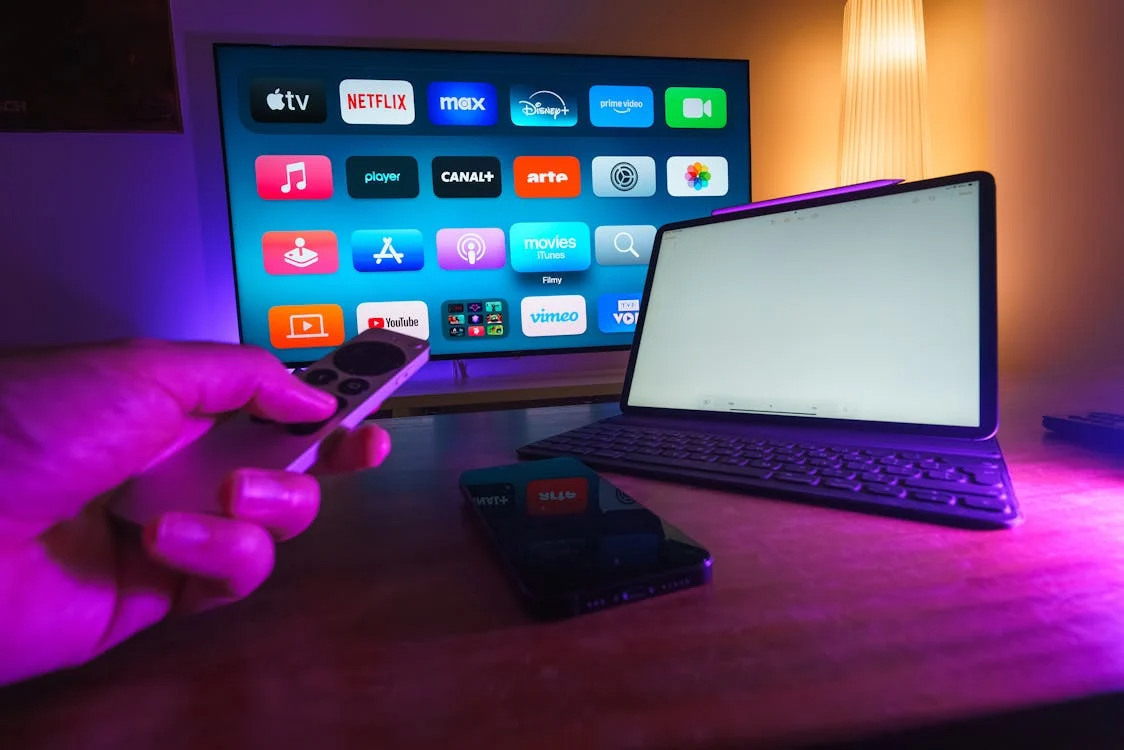
Smart TVs, streaming sticks, and gaming consoles all provide access to streaming apps. If you already own a compatible device, you can avoid additional costs.
If you need to buy hardware, choose a budget-friendly option that supports the apps you use. There is no need to overspend on features you will not use.
Keeping hardware costs low is an important part of building an affordable setup.
Explore Roku vs Fire TV vs Apple TV: Which Streaming Device Is Best? for device options.
The Bottom Line for Cord Cutters
The cheapest streaming setup is not about having the fewest services; it is about having the right ones.
By focusing on what you actually watch, rotating subscriptions, and using free options, you can build a system that delivers great content without a high monthly bill.
Many users are moving toward simpler setups that reduce both cost and decision-making. Instead of managing multiple subscriptions, they choose a small number of services that meet their needs.
When you align your setup with your habits, cutting the cord becomes a true way to save money, not just a different way to spend it.