The way we connect our phones to a carrier is changing. The real question with eSIM vs physical SIM is not which one is newer, but which one actually works better for your needs.
For years, physical SIM cards were the standard, but eSIM technology is quickly becoming the new default.
In 2026, many devices will support both, giving users more flexibility than ever.
What Is the Difference Between eSIM and Physical SIM?
A physical SIM card is a small chip you insert into your phone. It stores your carrier information and allows your device to connect to the network. Switching carriers usually means swapping out the card.
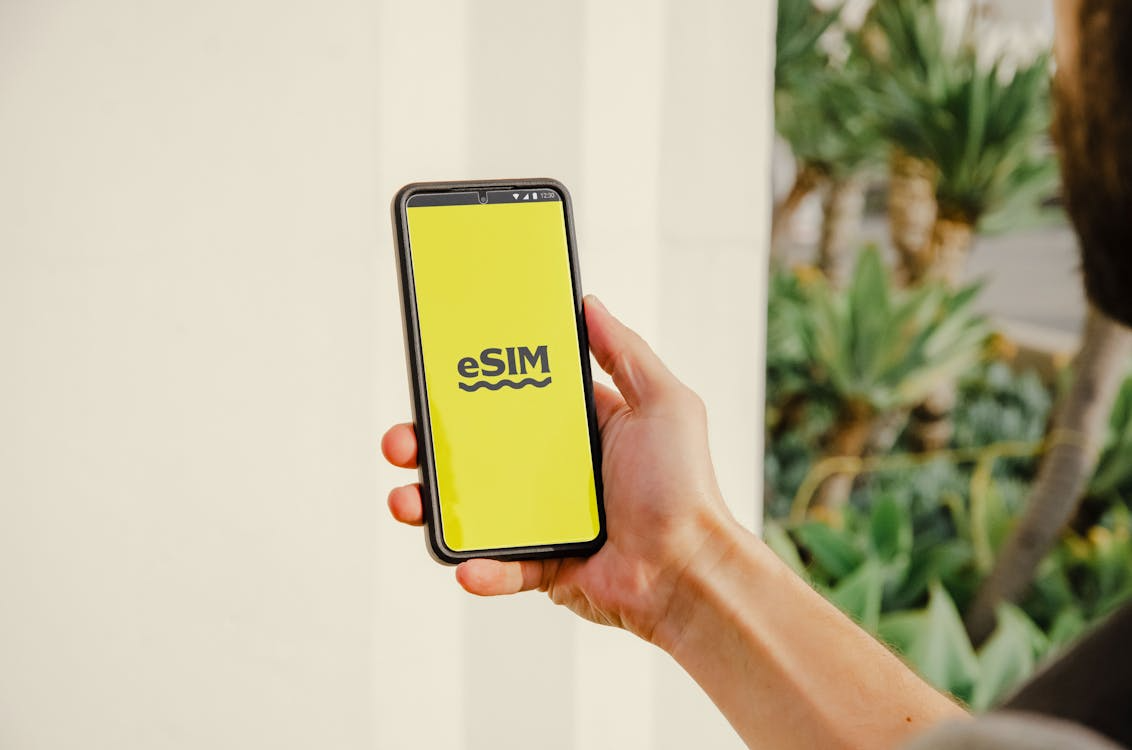
An eSIM, or embedded SIM, is built directly into your phone. Instead of inserting a card, you download a carrier profile digitally. This eliminates the need for physical hardware and lets you switch plans via software.
Both options perform the same once activated. The difference is how you set them up and manage them.
See Prepaid vs Postpaid Phone Plans: Which One Should You Choose? for more plan setup basics.
Flexibility and Convenience
eSIM offers a clear advantage in flexibility. You can switch carriers, add plans, or activate service without waiting for a physical card. This is especially useful for travelers or users who want to manage multiple lines.
Many devices now support storing multiple eSIM profiles at once. You can switch between them instantly, making it easy to separate work and personal numbers or use different plans for different situations.
Physical SIM cards are simpler for some users. They are easy to understand, require no digital setup, and can be moved between devices quickly. For those who prefer a straightforward approach, this simplicity still has value.
Compare Best Phone Plans for Heavy Data Users and Streamers for flexible data-heavy plan options.
Carrier Support and Compatibility
Most major carriers, including Verizon, AT&T, and T-Mobile, now support eSIM. This makes it a viable option for a wide range of users.
However, not all devices are fully compatible. Older phones may only support physical SIM cards, while newer models often support both physical and eSIMs. Some devices are even moving toward eSIM-only designs.
It is important to check your phone’s capabilities before choosing a plan. Compatibility can affect how easily you can switch between SIM types.
Travel and International Use
eSIM has become a game-changer for international travel. Instead of buying a local SIM card or paying for expensive roaming, you can download a global data plan instantly.
This allows you to stay connected without changing your primary number. Many travelers use eSIM for data while keeping their main line active for calls and texts.
Physical SIM cards still work well for travel, especially if you prefer local plans. However, they require more effort, including finding a provider and swapping cards.
For convenience, eSIM is often the better choice when traveling abroad.
Check International Phone Plans Compared: Staying Connected Abroad for travel-friendly options.
Security and Reliability
Both eSIM and physical SIM cards are secure, but they handle risks differently.
A physical SIM can be removed and inserted into another device, which can be a concern if your phone is lost or stolen. However, it is also easy to replace if needed.
An eSIM is tied to your device, making it harder to tamper with physically. This can add a layer of security, but it may also require contacting your carrier to transfer your profile if you change devices.
In terms of performance, there is no meaningful difference. Both connect to the same networks and deliver the same speeds.
Read Data Throttling Explained: Which Carriers Slow You Down the Most? for more on performance limits.
Which One Is Better for You?
eSIM is ideal for users who value flexibility, travel frequently, or want to easily manage multiple plans. It simplifies switching carriers and reduces the need for physical components.
Physical SIM cards are better for users who prefer simplicity, use older devices, or want an easy way to move service between phones.
The choice is less about performance and more about how you interact with your device. Many people are moving toward eSIMs because they reduce friction and simplify plan management.
As more devices adopt eSIM as the default, it is likely to become the standard. For now, having both options gives you the freedom to choose what works best for your situation.