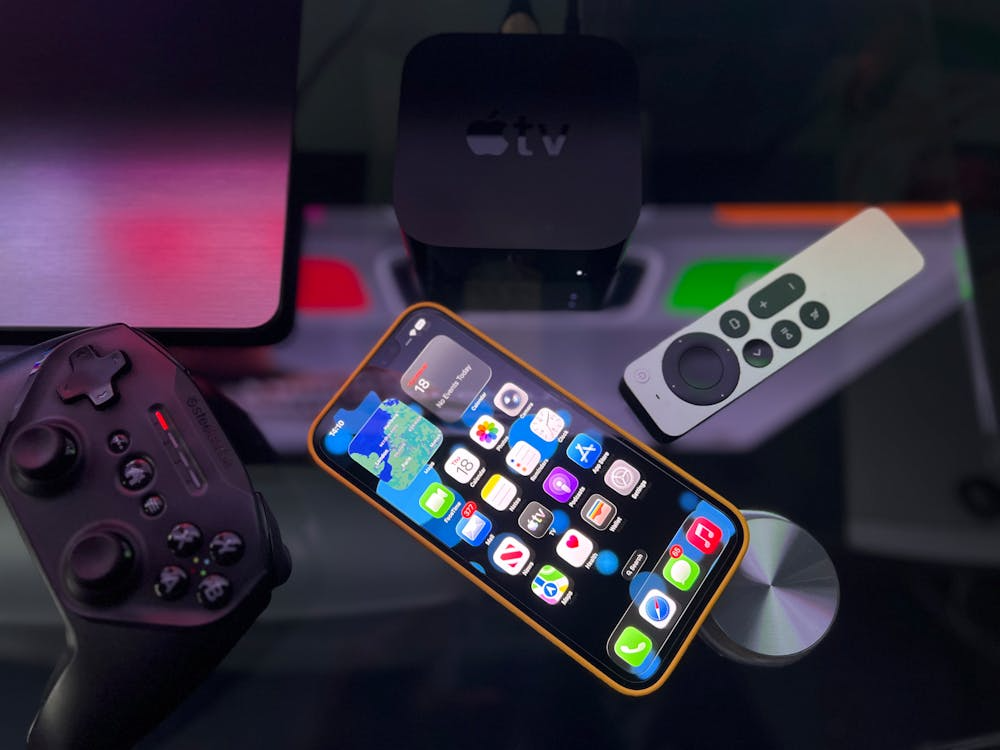
Choosing the best streaming device in 2026 comes down to three major platforms: Roku, Amazon Fire TV, and Apple TV. The best choice depends on how you use your TV and what you value most.
All three give you access to the same core apps, but the experience, performance, and ecosystem integration can feel very different.
Ease of Use and Interface
Roku is widely known for its simple and clean interface. It focuses on making navigation easy, with a straightforward menu and minimal distractions. This makes it a great option for users who want something that works without a learning curve.
Fire TV offers a more content-driven interface. It highlights shows and recommendations, often tied to Amazon services. While this can be helpful for discovery, it can also feel more cluttered compared to Roku.
Apple TV delivers a polished and smooth experience. Its interface is clean and responsive, with a strong focus on usability. For users who value a premium feel, Apple TV stands out.
See Smart TV vs Streaming Stick: Which Setup Is Better? for setup guidance.
App Availability and Compatibility
All three platforms support major streaming apps, including Netflix, Hulu, and Disney+.
Roku is known for having one of the widest selections of apps, including smaller or niche services. This makes it a strong choice for users who want access to a broad range of content.
Fire TV also offers a large app library and strong integration with Amazon’s ecosystem. If you use Amazon services frequently, it can be convenient.
Apple TV supports most major apps, but may have fewer niche options. However, it makes up for this with strong performance and integration with Apple services.
Explore Music Streaming Services Compared: Spotify vs Apple Music vs Others for audio app comparisons.
Performance and Speed
Performance is where differences become more noticeable.
Apple TV is generally the fastest and most responsive device. It handles apps, navigation, and high-quality streaming with ease, making it ideal for users who want a smooth, lag-free experience.
Fire TV offers good performance, especially on higher-end models. However, lower-cost versions may feel slower over time.
Roku devices vary by model. Budget options can be slower, while higher-end Roku devices provide solid performance. Overall, Roku focuses more on simplicity than raw speed.
Compare Gaming Consoles vs Streaming Devices: Which Is Better for Media? before choosing hardware.
Ecosystem and Smart Features
Your existing devices can influence which platform is best.
Fire TV integrates with Amazon’s ecosystem, including Alexa voice control. This allows you to control your TV and other smart devices with voice commands.
Apple TV works seamlessly with Apple products. Features like screen mirroring, shared accounts, and device integration make it a natural choice for Apple users.
Roku is more neutral. It does not strongly tie into a specific ecosystem, which can be an advantage if you prefer flexibility.
Price and Value
Roku is typically the most affordable option. Its devices span a wide range of price points, making them accessible to budget-conscious users.
Fire TV also offers budget-friendly options, with frequent discounts and promotions. It provides good value, especially for users already in the Amazon ecosystem.
Apple TV is the most expensive. However, it offers premium performance and build quality, which can justify the higher price for some users.
The best value depends on how much you are willing to spend for performance and features.
Read Cheapest Streaming Setup for Cord Cutters in 2026 for budget-friendly options.
The Bottom Line on Streaming Devices
There is no single best streaming device, only the one that fits your needs.
Choose Roku for simplicity and affordability.
Choose Fire TV for ecosystem integration and content discovery.
Choose Apple TV for performance and a premium experience.
Many users are moving toward simpler setups, focusing on devices that deliver a smooth experience without unnecessary complexity. This reflects a broader trend toward choosing what works rather than comparing endless options.
When you match the device to your habits and preferences, the decision becomes much easier.